Roof Noise in Heavy Rain: Causes and Ways to Reduce It
Heavy rain is part of life on the Sunshine Coast, but a roof that turns every downpour into a loud drumming session can make sleeping or holding a conversation difficult. Some rain noise is normal, especially with metal roofing. However, excessive noise can also point to inadequate insulation, loose components or problems with roof drainage.
The best way to reduce roof noise is to identify how sound enters your home before choosing a fix. Adding insulation alone may not resolve rattling flashings or a noisy downpipe.
Why Does Your Roof Sound So Loud in Heavy Rain?
Rain Impact and Roof Vibration
Raindrops striking roofing create vibrations that become audible inside the house. Lightweight metal sheets can produce a noticeable drumming sound, particularly where there is little acoustic separation between the roofing and living areas. Tiles generally respond differently because of their greater mass, although tiled roofs are not completely silent.
Roof profile, sheet spans, fixing condition and ceiling construction all influence the sound you hear. Rooms beneath cathedral ceilings or uninsulated patios can be particularly noisy because there is less material separating occupants from the roof.
Limited Insulation or Gaps Around the Ceiling
Missing, compressed or poorly fitted insulation can leave sound paths through the roof space. Ceiling gaps around access hatches and service penetrations can also allow noise to travel indoors. Reflective foil alone generally provides little sound absorption; its primary role is different from that of bulk acoustic insulation.
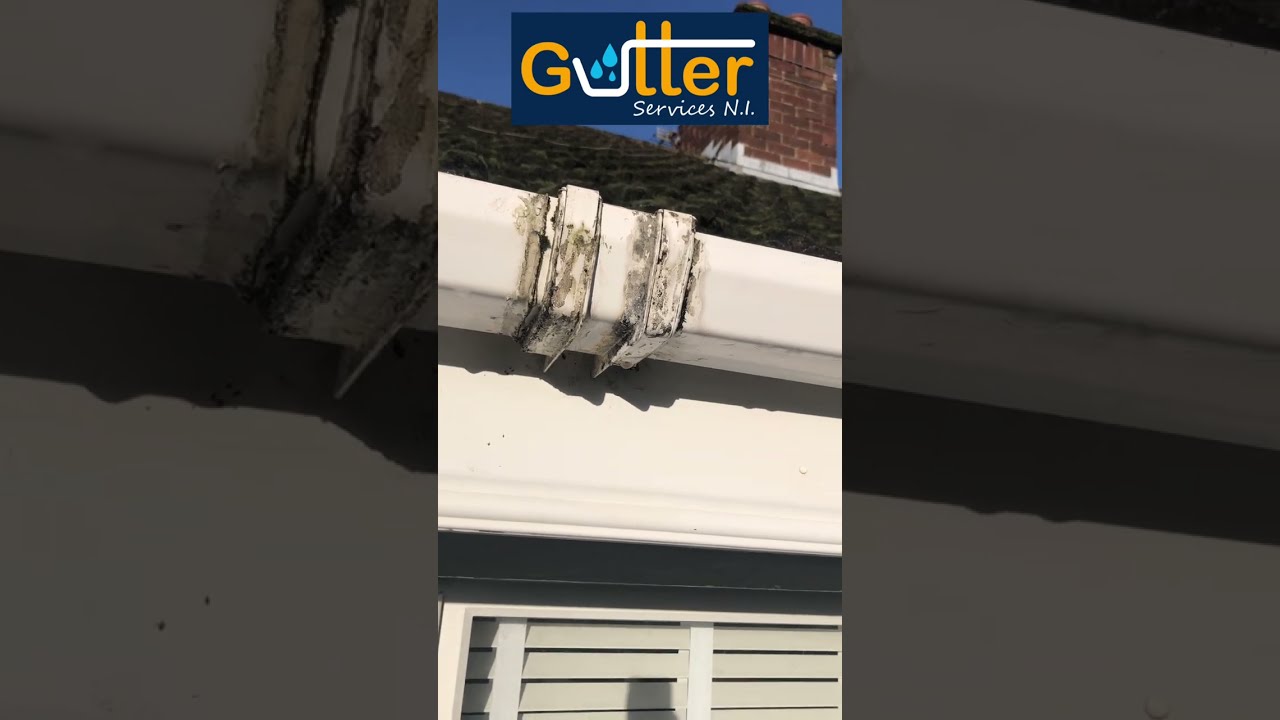
Loose Roofing, Flashings and Gutters
Rattling, tapping or banging during wet and windy weather may come from loose flashings, gutters or roofing components rather than rain impact alone. On the Sunshine Coast, coastal exposure can accelerate corrosion in vulnerable metal components, making regular inspections especially useful near the ocean.
Overflowing gutters and water dropping onto a lower roof, awning or downpipe bend can create a separate, repetitive noise.
Practical Ways to Reduce Roof Noise
- Arrange a roof and drainage inspection. Ask a suitably qualified roofer to check fixings, flashings, sheet condition, gutters and downpipes. Fasteners should be assessed against the roofing manufacturer’s requirements, not simply tightened indiscriminately.
- Check ceiling insulation. Properly fitted bulk insulation can help absorb sound within the roof space. Product selection, thickness and installation quality matter; a thermal R-value alone does not describe acoustic performance.
- Consider an acoustic roofing blanket when reroofing. Compatible under-roof insulation systems can reduce rain-impact noise. Retrofitting them may require lifting roof sheets, so this option is often more practical during roof replacement.
- Improve the ceiling barrier where necessary. For persistent noise in bedrooms or living areas, an acoustic specialist may recommend additional plasterboard, resilient ceiling systems or carefully detailed sealing around openings.
- Correct concentrated water discharge. Have a roofer or roof plumber assess water falling onto lower roofs and noisy drainage sections. Any alteration must preserve drainage capacity and allow water to discharge correctly.
Choose Solutions That Suit Sunshine Coast Conditions
The Sunshine Coast’s humid climate and intense rainfall mean noise-control upgrades must also manage moisture. Roof blankets, https://juliusfnim618.valiantfield.com/posts/how-skylight-installation-can-transform-dark-coastal-living sarking, insulation and ventilation need to work together to avoid condensation problems. Do not block ventilation openings or pack insulation against electrical equipment to reduce sound.
Ask your contractor to confirm that proposed work meets applicable Queensland requirements, relevant National Construction Code provisions and manufacturer instructions. For coastal properties, replacement fixings and flashings should also be compatible with the roofing material and suitable for the exposure conditions.
When Should You Call a Professional?
Book an inspection if roof noise suddenly increases, occurs with persistent rattling, or comes with leaks, water stains or visible movement. A sudden change deserves attention even if the roof has always been noisy during storms.
Do not climb onto a wet roof or enter a roof space where water may be affecting electrical wiring. From a safe indoor position, note which rooms are loudest and whether the sound is drumming, dripping or banging. These details help a local roofing professional distinguish normal rain noise from a maintenance issue and recommend a targeted, cost-effective solution.
Sunshine Coast Roof Restoration & Repair
Unit 8/13 Newspaper Pl, Maroochydore QLD 4558
(07) 4145 4576